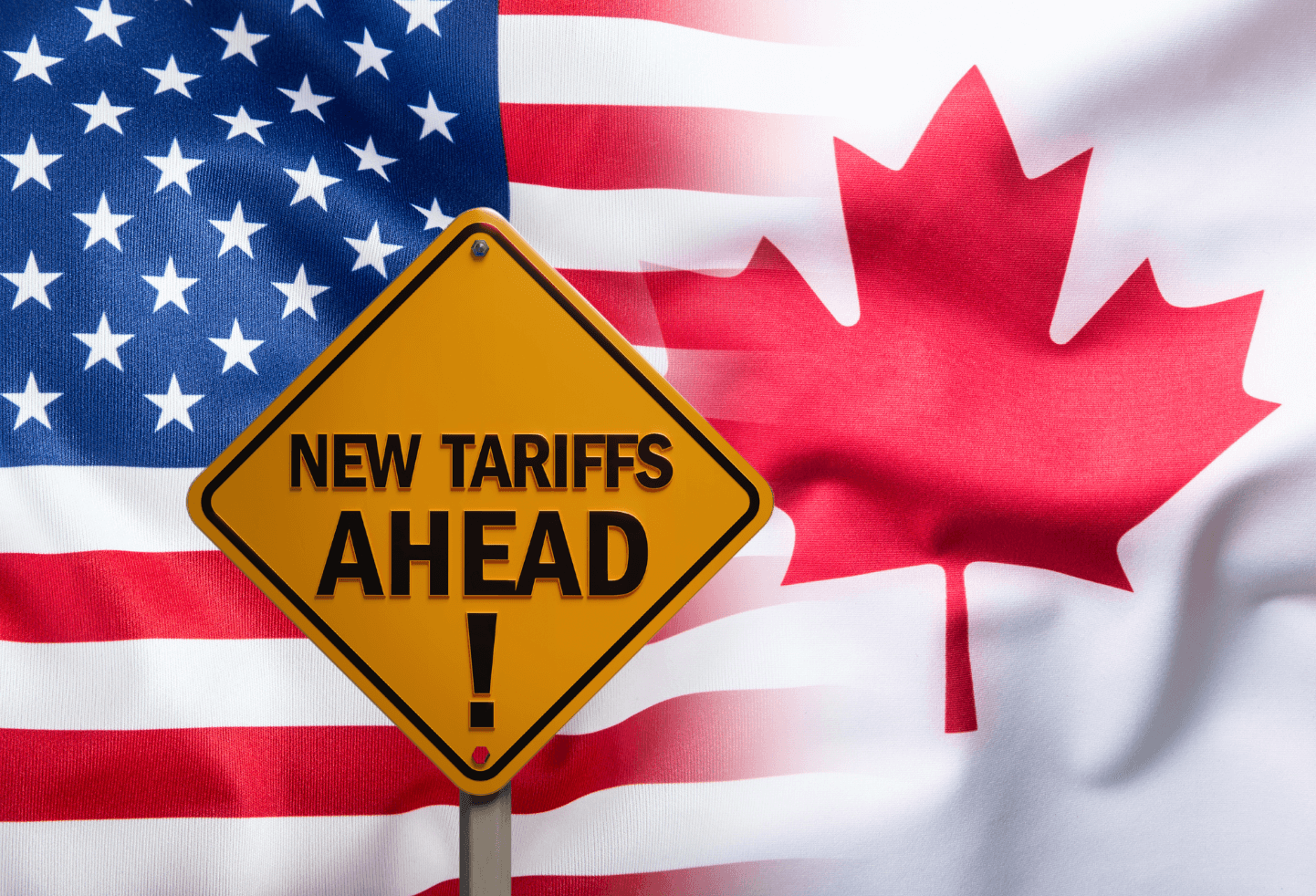
Over the past year, changes in U.S. tariff policy have once again brought trade relations between the United States and Canada into the public spotlight. While tariffs are often discussed in terms of geopolitics and diplomacy, their real impact is ultimately felt by households, workers, and businesses on both sides of the border.
For Canada, whose economy is deeply integrated with that of the United States, even targeted tariff adjustments can have noticeable consequences for everyday life.
Why U.S. Tariffs Matter to Canada
The United States remains Canada's largest trading partner, accounting for roughly three-quarters of Canadian exports. From energy and automotive manufacturing to agriculture and consumer goods, many Canadian industries depend on predictable access to the U.S. market.
When tariffs are introduced or adjusted, they can increase costs for exporters, disrupt supply chains, and reduce competitiveness. In many cases, these costs are not absorbed by corporations alone but are passed along to consumers or reflected in hiring decisions.
Impact on Prices and Household Costs
One of the most immediate effects of tariffs is price pressure. When Canadian goods face higher duties entering the U.S., demand can weaken, leading to lower revenues for producers. Conversely, tariffs on U.S. goods entering Canada can raise the cost of imported products.
For Canadian households, this can translate into:
- Higher prices for certain consumer goods: Everyday items that rely on cross-border trade may become more expensive as businesses adjust to new cost structures.
- Increased costs in sectors such as construction, transportation, and food processing: Industries that depend on imported materials or components often see price increases that affect project costs and consumer prices.
- Reduced purchasing power: Particularly for middle- and lower-income families, even modest price increases across multiple categories can significantly impact household budgets and quality of life.
While inflation is influenced by many factors, trade barriers can add an additional layer of strain during already uncertain economic periods. Understanding these dynamics helps Canadian families make more informed budgeting and spending decisions.
Employment and Regional Effects
Tariff impacts are rarely evenly distributed across the country. Regions that rely heavily on export-oriented industries tend to feel the effects more strongly, creating disparities in economic well-being across Canada.
Industries Most Affected
Several key sectors face particular vulnerability to tariff changes:
- Automotive manufacturing in Ontario: With integrated supply chains spanning both countries, tariffs on auto parts or vehicles can significantly impact production costs and employment in this crucial sector.
- Energy production in Alberta: Changes to energy trade policies can affect oil and gas exports, influencing not only corporate revenues but also provincial budgets and employment levels.
- Agriculture in the Prairies: Farmers and agricultural businesses depend on export markets for products ranging from grain to livestock, making them sensitive to trade policy shifts.
Small and Medium-Sized Enterprises
Small and medium-sized enterprises are often the most vulnerable to tariff changes. Unlike large corporations, they may lack the financial flexibility to quickly adapt supply chains or absorb sudden cost increases, which can affect employment stability.
These businesses often operate on thinner margins and have fewer resources to navigate complex trade regulations or find alternative markets. As a result, tariff policies can have an outsized impact on local employment and community economic health.
Government Response and Long-Term Strategy
Canadian policymakers have emphasized the importance of diversification—reducing reliance on a single trading partner and expanding access to European and Asia-Pacific markets. Trade agreements such as the Comprehensive Economic and Trade Agreement (CETA) with the European Union and the Comprehensive and Progressive Agreement for Trans-Pacific Partnership (CPTPP) are part of this broader strategy.
These agreements aim to:
- Reduce vulnerability to changes in U.S. trade policy
- Open new markets for Canadian exporters
- Strengthen economic resilience through diverse trading relationships
- Create opportunities for Canadian businesses in growing global markets
At the same time, officials continue to engage with U.S. counterparts to limit the scope and duration of tariff measures, arguing that open trade benefits consumers and businesses in both countries. These diplomatic efforts recognize that the Canada-U.S. economic relationship remains fundamentally important despite periodic tensions.
Understanding the Broader Economic Context
Tariff policies do not exist in isolation. They interact with other economic factors including currency exchange rates, global commodity prices, domestic fiscal policy, and broader international trade dynamics. For Canadians trying to understand how these policies affect their lives, it helps to consider the complete picture.
Exchange Rate Effects
Changes in trade flows can influence the value of the Canadian dollar relative to other currencies. A weaker Canadian dollar can make exports more competitive but also increases the cost of imports, affecting everything from vacation costs to the price of imported goods.
Long-Term Economic Planning
Both businesses and households benefit from understanding how trade policy trends might evolve. While specific tariff measures may change with political cycles, the underlying importance of trade diversification and economic resilience remains constant.
What This Means for Canadians
For most Canadians, tariffs are not an abstract policy tool but a factor that can influence job security, living costs, and long-term economic confidence. While trade disputes tend to fluctuate with political cycles, their effects can linger well beyond headline news.
Understanding how tariff policy works—and how it affects domestic industries—has become increasingly important for Canadians navigating a complex global economy. This knowledge can help individuals:
- Make more informed career decisions, particularly in trade-sensitive industries
- Better understand price fluctuations in consumer goods
- Anticipate potential impacts on local and regional economies
- Participate more meaningfully in discussions about economic policy
Practical Considerations for Canadian Households
While individuals cannot control international trade policy, understanding its potential impacts can inform personal financial planning:
- Budget flexibility: Building some flexibility into household budgets can help absorb unexpected price increases in certain categories.
- Career awareness: Those working in or considering careers in trade-sensitive sectors may want to stay informed about policy developments.
- Consumer choices: Understanding the origins and supply chains of products can provide context for price changes.
- Long-term planning: Economic uncertainty underscores the importance of emergency savings and diversified income sources where possible.
Looking Ahead
As trade discussions continue, the focus for many households remains practical and straightforward: economic stability, predictable prices, and opportunities for sustainable growth.
The Canada-U.S. economic relationship has proven resilient over decades, weathering various policy changes and economic cycles. While current tariff concerns are real and deserve attention, history suggests that both countries ultimately benefit from cooperation and open trade.
For Canadians, staying informed about these issues—without becoming overwhelmed by day-to-day policy fluctuations—represents a balanced approach to understanding how global economic forces affect everyday life.
Key Takeaways
Understanding U.S. tariff policy and its effects on Canadian economic well-being involves recognizing several key points:
- The Canada-U.S. economic relationship is deeply integrated, making trade policy changes significant for both countries
- Tariff effects are felt differently across regions and industries, with some sectors more vulnerable than others
- Household costs can be affected through both direct price increases and indirect employment impacts
- Government efforts to diversify trade relationships aim to build long-term economic resilience
- Informed awareness helps Canadian households navigate economic uncertainty
Final Thoughts
Trade policy may seem distant from daily life, but its effects ripple through the economy in ways that touch most Canadians. From the prices we pay at checkout to the job opportunities available in our communities, international trade relationships shape economic reality in tangible ways.
By understanding these connections, Canadians can better appreciate the complexities of economic policy, make more informed personal financial decisions, and engage more meaningfully in discussions about the country's economic future. While we cannot predict every policy change or economic shift, knowledge and awareness provide valuable tools for navigating an increasingly interconnected global economy.
As the economic relationship between Canada and the United States continues to evolve, maintaining perspective—balancing awareness of current challenges with confidence in long-term resilience—serves both individuals and communities well.